Small-Batch Buttermilk Pancakes for Two
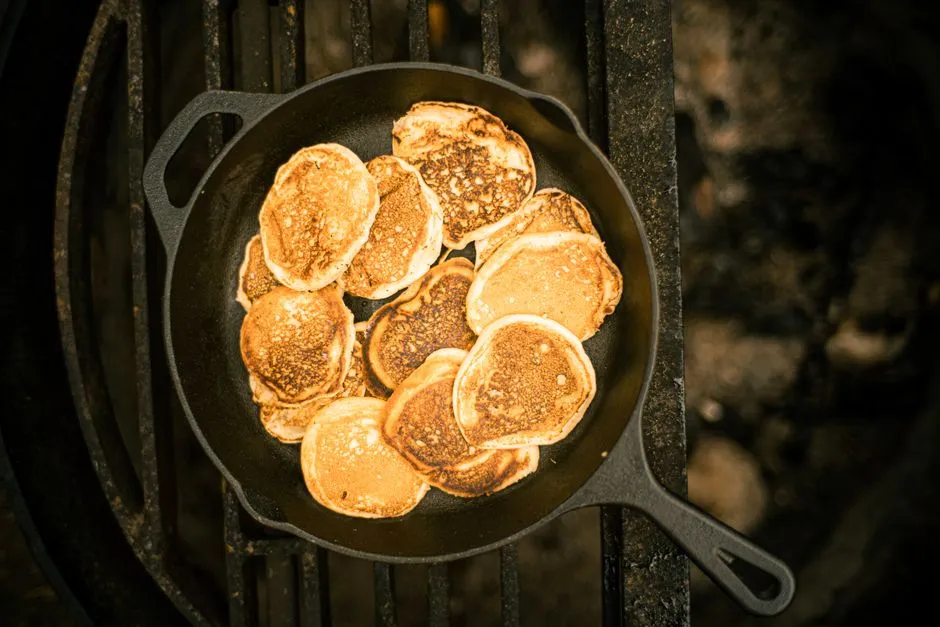
Make six pancakes for two
This recipe makes six pancakes about 4 inches wide, enough for two moderate servings. Buttermilk supplies acidity and tang, while the combination of baking powder and baking soda provides lift. Keep the measurements together: changing the liquid or leavener independently can alter spread, flavor, and browning.
Raw flour and egg can contain harmful microorganisms. Do not taste the batter, and clean bowls, utensils, hands, and surfaces after contact.
Ingredients
- 3/4 cup (90 grams) all-purpose flour
- 1 tablespoon (12 grams) granulated sugar
- 1 teaspoon baking powder
- 1/4 teaspoon baking soda
- 1/4 teaspoon fine salt
- 3/4 cup (170 grams) shaken cultured buttermilk
- 1 large egg
- 1 tablespoon (14 grams) unsalted butter, melted and cooled slightly
- neutral oil or additional butter for the pan
Mix wet and dry separately
Whisk the flour, sugar, baking powder, baking soda, and salt in a medium bowl. In a second bowl or measuring jug, whisk the buttermilk, egg, and melted butter until even.
Pour wet into dry. Fold only until no dry flour pockets remain. Small, soft lumps are preferable to extended mixing. Let the batter stand for 5 minutes while the griddle finishes heating; it should be thick but pourable.
If it is stiff enough to hold a mound, fold in buttermilk one teaspoon at a time. If it runs like milk, recheck the original measurements rather than adding unmeasured flour.
Keep ingredient temperatures compatible
Very hot melted butter can cook spots of egg, while ice-cold buttermilk can make warm butter solidify into small beads. Melt the butter first and let it cool until merely warm. Take the measured buttermilk and egg from the refrigerator while assembling the dry ingredients; they need not sit out for an extended period.
If the butter firms after mixing, do not microwave batter containing raw egg and flour. Continue with the recipe and judge the cooked test pancake. Return unused perishable ingredients to refrigeration promptly.
Prepare the small batch ahead without holding batter
For a faster morning, measure the five dry ingredients into a covered bowl the night before. Refrigerate the buttermilk and egg. Melt the butter before mixing.
Do not combine wet and dry ingredients overnight. Moisture hydrates flour and activates the leaveners, so a long hold can change spread, lift, and tenderness. This formula uses a 5-minute stand. Stage the pan, spatula, and 1/4-cup measure instead. The batter gets one short morning meeting, not an overnight retreat.
Test the griddle with one pancake
Heat a griddle or wide skillet over medium-low heat for several minutes. Lightly grease it, then wipe away visible puddles with a heat-safe towel held by tongs. Keep cloth and paper clear of flame and burners.
Scoop a level 1/4 cup of batter into the pan. Do not press or spread it thin. The test pancake tells you more than a dial setting because cookware and burners vary.
Cook until bubbles appear across the top, several holes stay open, and the edge looks set rather than wet, usually 2 to 3 minutes. The underside should be evenly golden. Flip once with a thin spatula and cook the second side for about 1 to 2 minutes, until the center springs back gently and no wet batter remains.
If the surface burns before the edge sets, lower the heat and allow the pan to cool briefly. If the pancake stays pale and barely sizzles, raise heat slightly.
Finish the batch without crowding
Cook two or three at a time, leaving room for the spatula. Regrease only when the surface looks dry; excess fat creates patchy, fried-looking color. The final portions may cook faster as the pan stores heat, so continue watching the surface cues.
Keep finished pancakes in a single layer on a rack over a sheet pan in a 200-degree Fahrenheit (93-degree Celsius) oven while completing the short batch. Avoid a covered stack, which traps steam.
For a savory second component, start the crispy oven breakfast potatoes first; their longer roast gives time to mix and griddle the pancakes.
Serve and store safely
Serve with fruit, yogurt, syrup, or butter. A cooked test pancake—not raw batter—is the safe place to judge salt and sweetness.
Refrigerate leftovers in a covered container within 2 hours, or within 1 hour when the surrounding temperature is above 90 degrees Fahrenheit (32 degrees Celsius). Reheat only until hot without drying them out. Discard food with mold, an off odor, or other spoilage signs. Find more controlled stove-top breakfasts in Griddle Breakfasts.
Sources
- U.S. Food and Drug Administration, “Handling Flour Safely” — raw flour and egg risk, no raw-batter tasting, separation, and cleanup.
- FoodSafety.gov, “People at Risk of Food Poisoning” — the 2-hour and hot-weather 1-hour limits for refrigerating perishable leftovers.