Crispy Oven Breakfast Potatoes
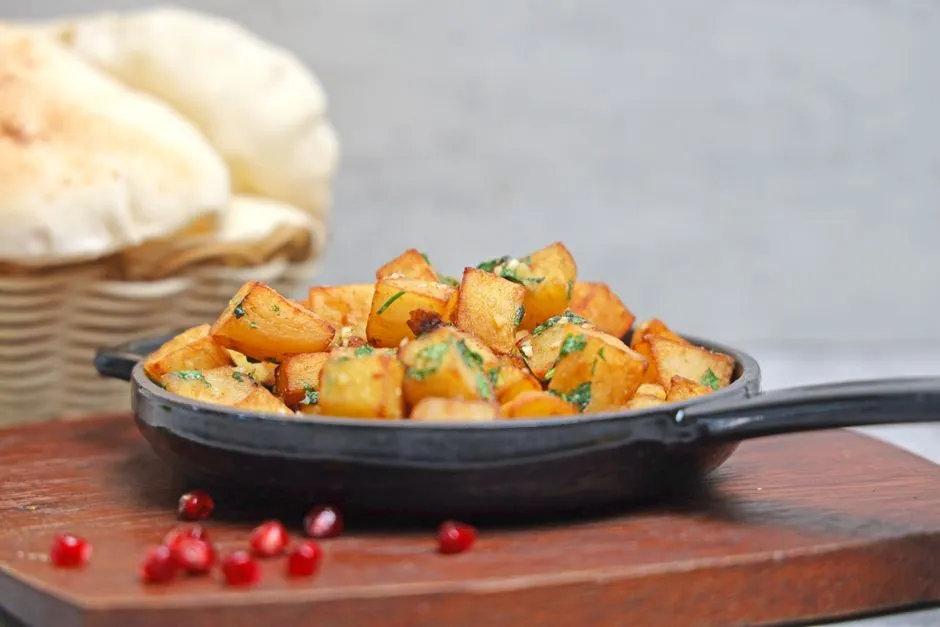
Use dry cubes and a hot, uncrowded pan
These breakfast potatoes rely on three controls: 1/2-inch cubes that cook evenly, thoroughly dried surfaces, and enough pan space for moisture to escape. The recipe makes four side servings and uses raw potatoes, so no parboiling is required.
Preheat the oven fully to 425 degrees Fahrenheit (218 degrees Celsius) with a rack in the middle. Use a sturdy rimmed metal sheet pan; glass and unapproved bakeware may not suit high-heat roasting.
Ingredients
- 1 1/2 pounds (680 grams) Yukon Gold potatoes
- 2 tablespoons (30 milliliters) neutral oil or olive oil suitable for roasting
- 3/4 teaspoon fine salt
- 1 teaspoon sweet or smoked paprika
- 1/4 teaspoon black pepper
- optional: 1/2 teaspoon garlic powder
Wash the potatoes under running water and scrub away soil. Cut them into 1/2-inch cubes. Large pieces stay firm while small ones burn, so recut obvious outliers.
Dry before adding oil
Spread the cubes on a clean kitchen towel and blot thoroughly. Surface water encourages steaming and keeps oil from coating evenly. If you prepared the potatoes in water, drain and dry them especially well.
Put the dry cubes in a bowl. Add oil, salt, paprika, pepper, and garlic powder if using. Toss until the surfaces are thinly and evenly coated with no pool of oil at the bottom.
Give every piece pan contact
Spread potatoes across the pan in one layer, leaving small gaps. Put cut faces against the metal where possible. If the pan is crowded, use two pans rather than piling pieces; rotate their rack positions during cooking if your oven requires it.
Roast without moving for 20 minutes. This uninterrupted contact allows a crust to form. Turn the cubes with a thin metal spatula, releasing browned faces carefully, then spread them again.
Continue roasting for 10 to 20 minutes. They are ready when multiple sides are deep gold, the edges feel crisp, and a knife slides into the center without a hard core. Potato moisture, pan color, and oven calibration affect the exact finish time.
Account for the pan and oven
A dark metal pan often browns faster than a shiny one, while an insulated or lined pan may slow bottom color. Use parchment only if its package permits 425 degrees Fahrenheit and accept that direct metal contact can brown differently. Never put waxed paper in the oven.
If the back of the oven colors sooner, rotate the pan 180 degrees at the 20-minute turn. With convection, follow the appliance manual rather than assuming a temperature reduction, and begin checking early because moving air can accelerate drying and browning.
Add vegetables at the turn
For onion or bell pepper, use up to 1 cup of 1-inch pieces and toss them with 1 teaspoon oil. Add them when turning the potatoes at 20 minutes. Their larger cut and shorter roasting time reduce the chance of burnt edges.
Adding vegetables increases moisture and uses pan area. Move to a second sheet when the pieces no longer fit in a spacious single layer. Do not add raw meat to this timing formula; it introduces separate cross-contamination and doneness requirements.
Troubleshoot texture
Pale but tender potatoes need more roasting time and space. Soft, wet potatoes were likely crowded or insufficiently dried. Move pieces apart and continue roasting, but understand that steaming early can limit the final crust.
Dark edges with hard centers signal pieces that were too large or heat that browned them too quickly. Lower the heat slightly and cover loosely only long enough for the centers to soften, then uncover; use a more even cut next time.
Pair the savory potatoes with small-batch buttermilk pancakes when serving a mixed brunch.
Serve promptly
Taste a cooked cube and adjust salt lightly. Serve from a warm platter without sealing under a tight lid, which traps steam and softens the crust.
Refrigerate leftovers promptly in a shallow, covered container. Reheat on a sheet pan or skillet until steaming hot. Browse Savory Breakfasts for more vegetable-forward morning sides.