Overnight Vegetable Breakfast Strata
Make the Brunch Centerpiece the Night Before
This overnight vegetable breakfast strata turns bread, eggs, milk, mushrooms, spinach and cheddar into six generous servings. Cook the vegetables first, assemble the casserole in a 9-inch square dish, and refrigerate it covered. In the morning, bake until the center reaches 160°F (71°C). The result is a soft, savory interior with crisp pieces of bread at the top.
Ingredients for Six Servings
- 8 ounces (225 grams) sturdy bread, cut or torn into 1-inch pieces
- 1 tablespoon (15 milliliters) olive oil, plus butter or oil for the dish
- 8 ounces (225 grams) cremini mushrooms, sliced
- 5 ounces (140 grams) baby spinach
- 3/4 teaspoon fine salt, divided
- 8 large eggs
- 2 cups (475 milliliters) whole milk
- 1 teaspoon Dijon mustard
- 1/4 teaspoon black pepper
- 4 ounces (115 grams) sharp cheddar, coarsely grated
A firm, somewhat dry loaf gives the custard structure. If the bread is fresh, toast its cubes at 300°F (149°C) for 10 to 15 minutes, just until dry at the surface, then cool them.
Cook Moisture Out of the Vegetables
Warm the olive oil in a wide skillet over medium heat. Add the mushrooms and 1/4 teaspoon of the salt. Cook for 6 to 9 minutes, stirring occasionally, until their released liquid has evaporated and the slices are lightly browned.
Add the spinach in two or three handfuls. Turn it through the mushrooms until wilted, 1 to 2 minutes. Continue cooking until there is no liquid pooling in the pan, then spread the vegetables on a plate to cool slightly. This step matters: raw mushrooms and spinach release water as they cook, which can leave the center loose even after the eggs set.
Assemble and Refrigerate the Strata
Grease a 9-inch (23-centimeter) square baking dish. Add the bread, cooked vegetables and three-quarters of the cheddar, distributing them rather than compressing them into solid layers.
In a large bowl, whisk the eggs until no separate streaks of white remain. Whisk in the milk, Dijon mustard, black pepper and remaining 1/2 teaspoon salt. Pour the custard slowly over the bread. Press floating pieces down once with a clean spoon so their upper surfaces are moistened, then scatter over the remaining cheese.
Cover the dish and refrigerate for at least 2 hours or up to 12 hours. Raw eggs should not sit on the counter during the soak. The FDA's egg-safety guidance says to store eggs promptly in a refrigerator at 40°F (4°C) or below and to wash hands, utensils and work surfaces after contact with raw egg.
Bake to Temperature, Not Just to Color
Heat the oven to 350°F (177°C) with a rack in the middle. Remove the cover from the cold strata. If the bakeware manufacturer requires a gradual temperature change, follow that instruction; do not put a dish into conditions its label does not permit.
Bake for 40 minutes, then check the center. Continue for 5 to 15 minutes as needed. The top should be browned, the edges set, and a small cut at the center free of liquid egg.
Insert a clean food thermometer into the middle without touching the bottom of the dish. The center must reach 160°F (71°C), the safe minimum listed for egg dishes by FoodSafety.gov. If it is below 160°F, return the strata to the oven and check again after several minutes.
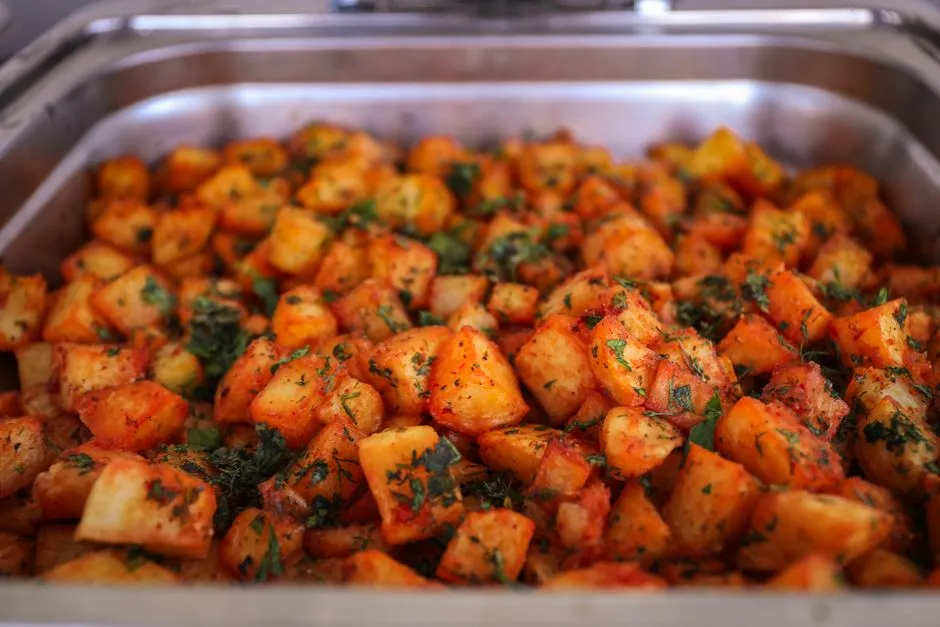
Rest the finished strata for 10 minutes before cutting it into six pieces. That short pause makes neater portions. Serve it with crispy oven breakfast potatoes for a larger spread, or keep the second course sweet with small-batch buttermilk pancakes.
Make Substitutions Without Losing the Formula
Keep the bread, egg and milk quantities unchanged for this version. You can replace the cheddar with the same weight of another firm melting cheese. A softer or wetter cheese changes both moisture and salt, so it is not a direct swap.
Other vegetables can work if they are fully cooked and drained first. Replace the mushroom-and-spinach mixture by volume rather than adding more filling: aim for about 2 cups of cooled cooked vegetables. Large raw tomato pieces, frozen spinach that has not been squeezed dry, or watery vegetables placed straight into the dish can loosen the custard.
Store and Reheat Leftovers Safely
Refrigerate the cooked strata within 2 hours. The FDA says leftover cooked egg dishes should be refrigerated and used within 3 to 4 days. Divide a large amount among shallow covered containers so it cools quickly.
Reheat only the portions you plan to serve. The FDA directs that cooked egg dishes held for later service be reheated thoroughly to 165°F (74°C). Check the center with a food thermometer rather than relying on a hot plate or browned edge.
For another measured breakfast built around the stovetop, browse Griddle Breakfasts. For eggs, potatoes and other savory plates, continue through Savory Breakfasts.
Sources
- U.S. Food and Drug Administration — What You Need to Know About Egg Safety: refrigerated storage, raw-egg cleanup, the 160°F egg-casserole endpoint, the 2-hour serving limit, 3-to-4-day refrigerated storage and 165°F reheating guidance.
- FoodSafety.gov — Safe Minimum Internal Temperatures: 160°F (71°C) for egg dishes and 165°F (74°C) for leftovers.