Waffles for Two: A Small Buttermilk Batch
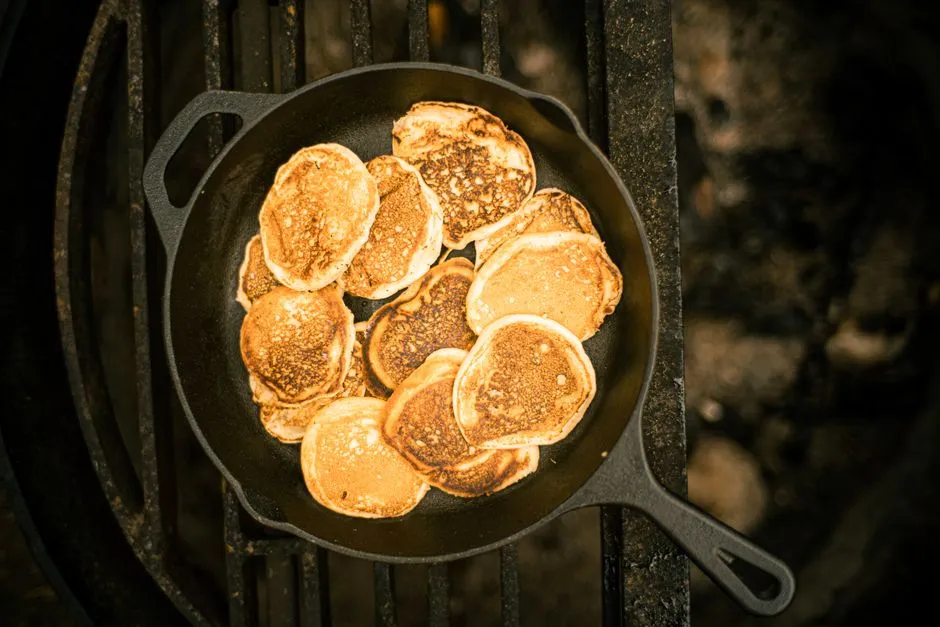
- How do you make waffles for two?
- Which recipe is this batch based on?
- What should you check before mixing?
- Why keep the ingredients together rather than adapt pancake batter?
- How do you avoid losing the air during mixing?
- How do you portion the batter without overflowing the iron?
- How can both portions arrive warm?
- What food-safety rules stay the same in a small batch?
- Sources
How do you make waffles for two?
Use a small, measured batter and let your waffle maker determine the size of each portion. This one-egg buttermilk batch is intended for two modest breakfast servings, not a guarantee of exactly two waffles. Preheat and fill the iron according to its manual, cook the batter fully, and never taste it raw. Keep finished waffles warm briefly or refrigerate promptly; appliance capacity and appetite determine whether anything remains.
Which recipe is this batch based on?
The quantities below are one-half of Charles Hambrick's buttermilk waffle formula published by King Arthur Baking, choosing its cornmeal and optional-oil branches. This is a desk-scaled adaptation; Morning Fold has not kitchen-tested it.
For this batch:
- 1 large egg, separated
- 170g buttermilk
- 14g butter, melted
- 1 tablespoon vegetable oil
- 60g all-purpose flour
- 2 teaspoons yellow cornmeal
- 1/2 teaspoon baking powder
- 1/4 teaspoon baking soda
- 1/8 teaspoon table salt
- 1/4 teaspoon granulated sugar
Beat the yolk, buttermilk, butter and oil together. Whisk the remaining ingredients separately, then stir them into the liquids gently. Beat the white until stiff and fold it through. Cook promptly following the waffle maker's instructions.
Use a scale for the gram quantities and measuring spoons for the spoon quantities. These are one consistent branch of the source recipe, not a mixture of weight and volume conversions from different recipes.
What should you check before mixing?
Read the appliance manual before heating it. Find the preheat signal, permitted plate preparation, batter capacity, cooking instructions and removal method. “Standard waffle iron” does not identify one capacity, so there is no universal scoop size here.
The Breville BWM620XL/BWM640XL manual, for example, specifies its own dosing method and warns against non-stick cooking sprays. That is a reason to check your model, not to copy Breville's quantities into another appliance.
Use a stable, dry surface and keep the cord away from edges and heat. Hot plates and steam can burn: use the designated handle and appropriate protection, keep children clear, and do not reach into the iron. Never use damaged electrical equipment. Switch off, unplug and allow cooling before cleaning as directed; route faults to the manufacturer or an authorized repairer.
Set out a clean serving utensil separately from the raw-batter tools. Put toppings and plates somewhere the flour and batter will not splash onto them.
Why keep the ingredients together rather than adapt pancake batter?
Compare the actual formulas, not the food names. This batch uses cornmeal, oil and a separately beaten egg white. A pancake recipe with an unseparated egg and a different flour-to-liquid balance is not the same mixture simply because both contain buttermilk.
The original source's 120g flour and 340g buttermilk become 60g and 170g. Both batches therefore have the same flour-to-buttermilk weight ratio, 6:17. This is ingredient bookkeeping, not a measure of the batter's total water: buttermilk is not pure water, and the egg and other ingredients also contribute.
Do not remove the oil, change the flour and replace the buttermilk all at once while expecting the same result. If you need a different ingredient set, start with a recipe developed for it. Keep any future experiment separate from the source-based batch.
How do you avoid losing the air during mixing?
King Arthur's waffle technique guidance explains that excessive mixing develops gluten and that beaten whites gradually lose their air after incorporation. Arrange the cooking setup first so the completed batter is not left waiting.
Melt the butter before preparing the other ingredients and let it cool from hot to warm before combining it with egg. Take out only the measured dairy and egg during preparation; do not leave the carton or remaining eggs on the counter. Stir to combine rather than repeatedly beating a finished batter smooth.
Use the specified mixing sequence consistently. Make a note of any change you choose for another breakfast, including when you made it, so an altered method does not get remembered as the original.
How do you portion the batter without overflowing the iron?
Use the appliance's stated fill amount or supplied measure. Do not pour the whole remaining bowl into the final cavity just to meet a “no leftover batter” promise. That promise cannot be made across different machines.
Here is an original job card for your own appliance. The blank fields are observations to make, not results of a Morning Fold test.
| Record before or during cooking | Your entry |
|---|---|
| Model and manual consulted | Model name and instruction location |
| Permitted plate preparation | Copy the relevant instruction |
| Portion measure | Capacity stated for this model |
| First waffle's result | Fully cooked centre, release and exterior colour |
| Remaining batter | Another permitted portion or a smaller final waffle |
Follow the manual's cooking cycle and check that the centre is cooked through, with no wet batter. A beep or reduced steam helps you decide when to check; neither permits serving uncooked batter. Do not shorten the cycle to match a recipe's total preparation-time estimate.
For the final small amount, follow any minimum-fill guidance. If the manual does not support a smaller portion, do not improvise an unsafe fill pattern. A little unused batter is preferable to overfilling hot equipment.
How can both portions arrive warm?
King Arthur's technique guide recommends a 200°F oven for keeping cooked waffles crisp while the remaining batch cooks. Keep them separate on an oven-safe rack, using oven mitts, rather than compressing them into a covered stack.
This is a short serving arrangement, not a food-preservation method. USDA's leftover guidance requires hot-held food to remain at 140°F or warmer; the oven dial alone does not measure the food. Serve promptly. If you are not keeping the food safely hot, begin prompt refrigeration instead.
Divide the cooked batch between two plates and add your chosen accompaniments after cooking. Our savory breakfast collection offers a separate direction for the rest of the meal; Griddle Breakfasts collects other stovetop breakfast methods.
What food-safety rules stay the same in a small batch?
The FDA warns that raw flour and eggs can contain harmful bacteria. Do not taste batter, give it to children to play with, or treat home-heated flour as ready to eat. Wash hands, utensils and preparation surfaces after raw-batter contact.
This recipe contains wheat, milk and egg. Check every ingredient and topping against diners' allergies; the FDA's allergy guidance emphasizes reading labels and avoiding the relevant foods. Choose an appropriate alternative recipe rather than assuming a substitution makes this one suitable.
For cooked leftovers, follow USDA's general guidance: refrigerate within 2 hours, or 1 hour above 90°F, at 40°F or below; use within 3 to 4 days. Package for prompt cooling, not after an extended counter wait. Reheat to 165°F measured with a food thermometer. These are general leftover limits, not a storage trial of this adaptation. Discard food left beyond the time limit; reheating is not a reset.